

From Darkness to Focus: How Photography Helped Me Find Light Again
In Focus: How Mental Illness Shaped My Art and Perspective
For as long as I can remember, photography has been more than just a creative outlet — it’s been my lifeline. From Darkness to Focus is a deeply personal reflection on my journey living with depression, anxiety, and OCD. These are parts of my life I’ve often kept hidden behind the lens, but sharing them feels important — not just for me, but for anyone who has ever felt lost in their own mind. This blog isn’t about seeking sympathy; it’s about honesty, connection, and the reminder that even in our darkest moments, there’s always a way to find light again. Through my experiences, I hope to show how creativity can heal, ground, and give purpose when words alone aren’t enough.
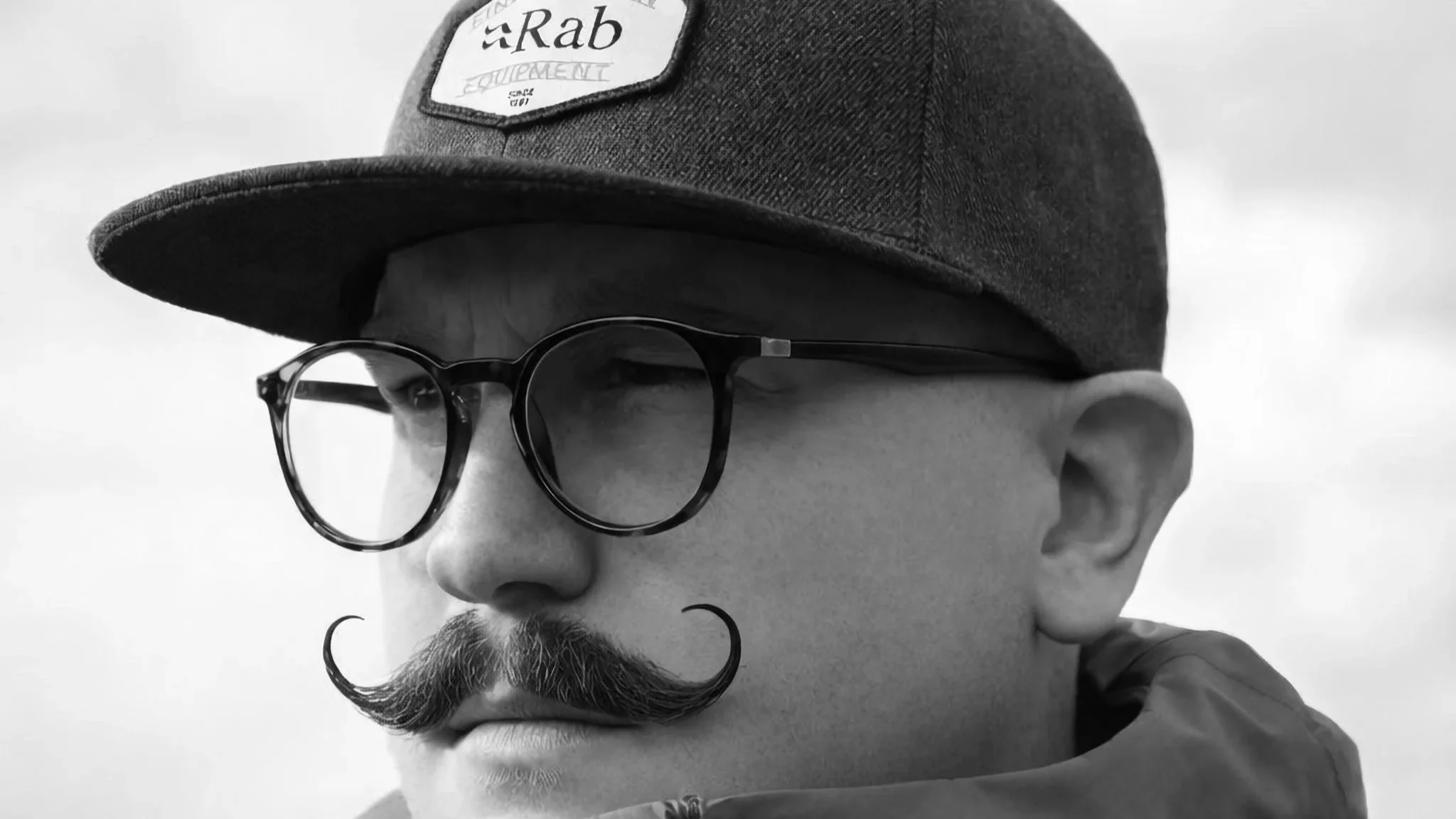
Portrait Photographed by Ryan Harris Photography
Drifting Through the Years
For the past thirteen years or so, I’ve often felt like I wasn’t capable of achieving anything truly meaningful in my life. Throughout my young adult years, it seemed as though I was just drifting — moving from one job to the next, one fleeting purpose to another — letting the days pass without any real sense of direction or control. Time slipped by quietly, and before I realised it, I’d found myself stuck in a rut, unsure of where I was heading or what I was even striving for.
As the people around me began to move forward — building careers, relationships, and families — I felt myself falling further behind. The darkness and loneliness tightened their grip, and I became trapped in a cycle that felt impossible to break. What I can now recognise as trauma only pushed me deeper into that isolation. The world outside would shut away: curtains drawn, doors locked, socials deleted. I wanted to disappear — to erase myself from everything and everyone. I was ashamed of what I’d become, and even more ashamed to let anyone see it.
Seeking Help
Sadness, a deep sense of hopelessness, and the constant feeling of being a burden eventually led me to seek help through antidepressants and counselling. But even with support, the anxiety often made it difficult to leave the house — everything outside those four walls felt overwhelming. There were times when life became so heavy that I began to wonder if it was worth carrying on at all. Those thoughts frightened me, but they were real, and they were a reflection of just how lost I had become.
Starting Small
The hours turned into days, the days into weeks, and the weeks into months — before I knew it, several years had slipped away. I realised I couldn’t keep living like that. I knew deep down that I was capable of more, but the only person who could change things was me. No one else could do it for me.
So, I started small — by returning to the things that had always brought me peace. Walking. Hiking. Long-distance treks through the countryside. The outdoors became my therapy, my medicine. Not the kind that comes in a bottle, but the kind you breathe in — the crisp air, the rustle of trees, the sound of running water. Nature became the place where I could finally think clearly, where the noise inside my head began to quieten.
Building Momentum
Ten minutes a day became twenty, one mile turned into three, and before I knew it, a goal had formed almost out of nowhere. I decided I wanted to walk ten miles a day. The same walk, the same circuit, no matter the weather. Rain or shine, tired or not, I made it happen. Those walks became a routine that grounded me — they gave me structure, cleared my mind, and helped me sleep better. My appetite returned, my energy lifted, and before long, I started to feel stronger both physically and mentally. The fitness gains were a bonus — the real reward was feeling alive again.
Rediscovering Joy
As my confidence grew, so did my passion for photography. That spark I’d once lost began to burn again. I found myself smiling more, feeling genuinely happy in moments that once felt impossible. Walking gave me a sense of purpose — something to look forward to each day. And even though I often felt a little sad when my ten-mile loop came to an end, that feeling was quickly replaced with excitement for the next day. For the first time in a long time, I wasn’t dreading tomorrow — I was ready for it.
Finding Balance
Looking back, I realised it wasn’t just one thing that helped me turn a corner — it was a combination of small but powerful changes. The daily walks, the data and progress tracked on my Apple Watch, the antidepressants, the counselling, and the unwavering support from my family — together, they built the foundation I needed to heal. Each part played its role. The walking gave me structure, the numbers showed me progress, the medication steadied me, the counselling helped me understand myself, and my family reminded me I wasn’t alone. Slowly but surely, things began to change.
Nature and Photography: My Lifelong Companions
In the end, I realised that nature and photography go hand in hand for me — they’re both an essential part of who I am. It’s something I’ll always do, something I’ll always be passionate about. I’ll always be out there searching for the light, watching the clouds drift across the sky, chasing the stars, the sunrises, the changing colours of the seasons, the quiet fall of snow, and the trees wrapped in mist. As long as I have my health, my legs, and my mind, they’ll take me to these places. I’ll keep exploring, stay curious, and continue photographing the world around me — because through nature and photography, I’ll always find my light.
A Final Thought
In the end, life is hard for all of us. It throws challenges and curveballs when we least expect them. What I’ve learned is that helping myself has always been the key to finding my way out of dark places. You have to make that first move — you’re lucky if someone offers a helping hand, but it usually comes after you’ve taken that initial step. Life is for living, not for shutting yourself away or closing the world out. Tablets and talking can help — they did for me — but you’ve also got to find what truly helps you. For me, that’s walking first, and photography second. Those two things gave me purpose, peace, and a way to see life differently — and for that, I’ll always be grateful.
I still have dark days. I still have depressive days. I still take my sertraline every day — it’s part of my routine now, something I don’t even think twice about. But I don’t let it define me. It’s simply part of who I am, and I’ve learned to accept that. Acceptance, for me, has been one of the biggest steps toward peace.
If You’re Struggling, Please Reach Out
If you’re reading this and some of it feels familiar, please know you’re not alone — and things can get better. Help is always available, and talking to someone can make a huge difference.
UK Support Services:
Samaritans: Call 116 123 (free, 24/7) or visit samaritans.org
Mind: Call 0300 123 3393 or text 86463 – mind.org.uk
Shout: Text SHOUT to 85258 for 24/7 free mental health support
CALM (Campaign Against Living Miserably): Call 0800 58 58 58 or visit thecalmzone.net
